Showing posts with label Lex. Show all posts

Sunday, March 25, 2018

Diversification is Survival: Tips from Trevelino (Lex)

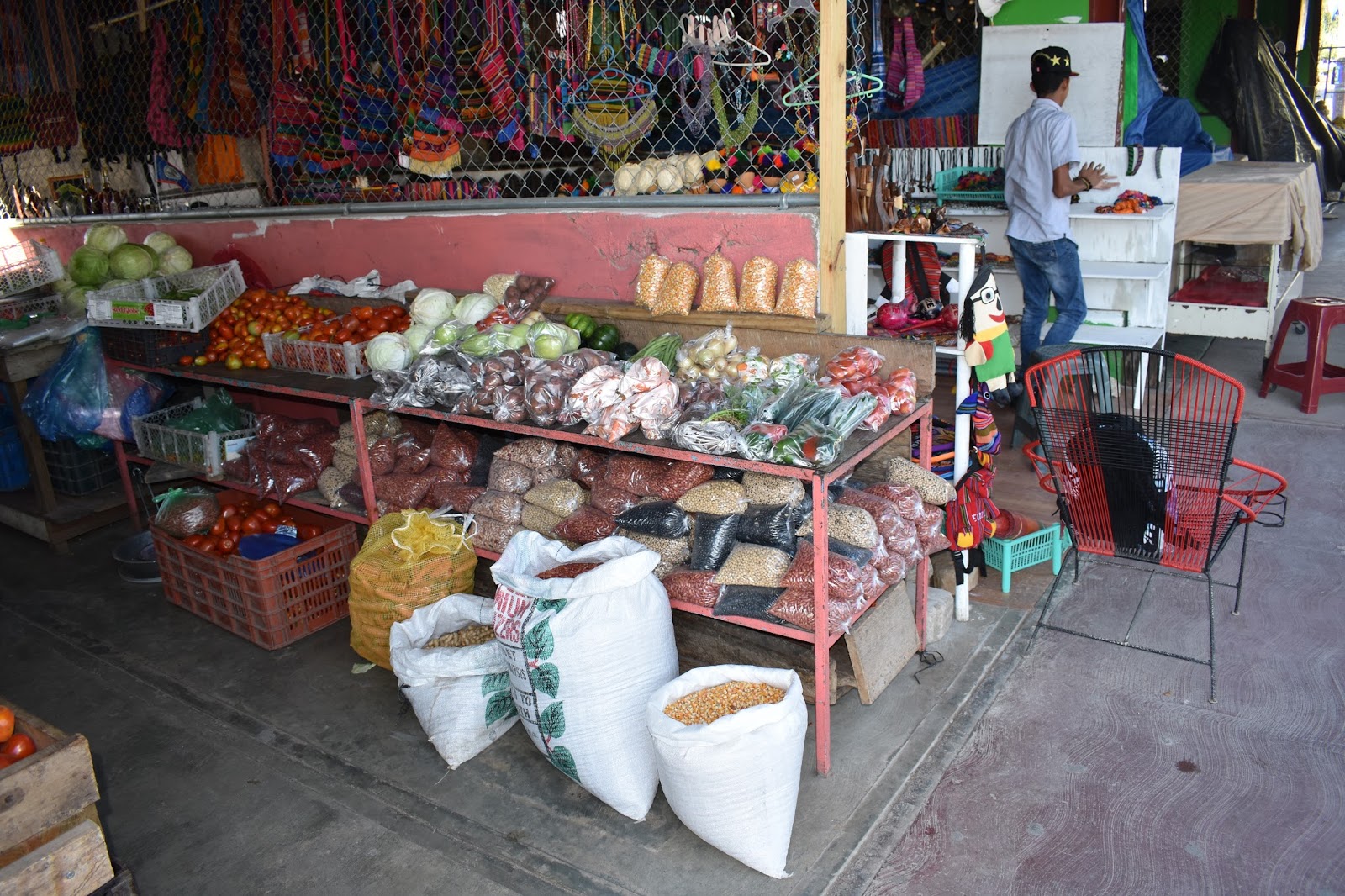
I have been fortunate enough to travel to some incredible places, but none compare to Belize. Whenever I travel I hate feeling like a tourist. I don't want to go to the typical tourists traps and do what everybody else does. I love to find things off the beaten path that only the locals know about, and I feel like we were able to do that on this trip. Now it was a school trip and we worked with CELA Belize so we weren't really tourists, but I really felt exposed to the local culture in a way I haven't on previous trips. Earlier in the semester we learned about indigenous knowledge and the roles that it can play. Being able to interact with the locals directly gave us the opportunity to learn more about their culture. The best example I can think of is when we were at the San Ignacio Market and a pair of locals explained the difference between the "local" chicken and the "normal" chicken (you can check out my previous post to learn the difference). I feel like this encounter was my "Aha" moment because I realized I was experiencing indigenous knowledge through informal education.

When I look back on trips like these the first thing I think of is not what we did, but who did we meet. What did we learn from these people and how do the varying perspectives compare? For example, when looking back at our second farm tour I remember Mr. Juan showing us around his property and explaining that everything there served a purpose. For example, a single tree can help serve as a fence post, can provide shade for the livestock, and can attract birds that sing for tourists on horseback. My biggest take away from that day was when he said "diversification is survival." There were so many different things growing on his farm that there was always something ready to harvest. This is vital for a farm trying to stay afloat when fighting competition from foreign imports.

I personally enjoyed the farms tours. We visited a lot of farms on this trip, but each one of
offered something different. Each one had it's own unique experience that made it memorable. My favorite was after we toured Polo's farm we were given fresh coconut water to quench our thirst from the heat. I love coconuts and being able to fill my water bottle with coconut water was a highlight for me. When I had previously traveled to Central America I was told that the yellow coconuts are no good. Only the green ones were safe to eat. However at Polo's farm they were cutting both green and yellow coconuts. I eagerly tried both and could not taste a difference. People in Costa Rica believe that yellow coconuts are inferior, but in Belize the only difference is the color. This was an enlightening moment for me because I was able to compare the different perspectives on coconuts. I realized that the indigenous knowledge for this area can be totally different compared to another area even though they are addressing the same subject. Despite having a preconceived notion on the yellow coconuts I learned something new by acknowledging the new perspective. I believe that is what this trip was about, putting aside our preconceptions in order to open up and learn something new without judgement.

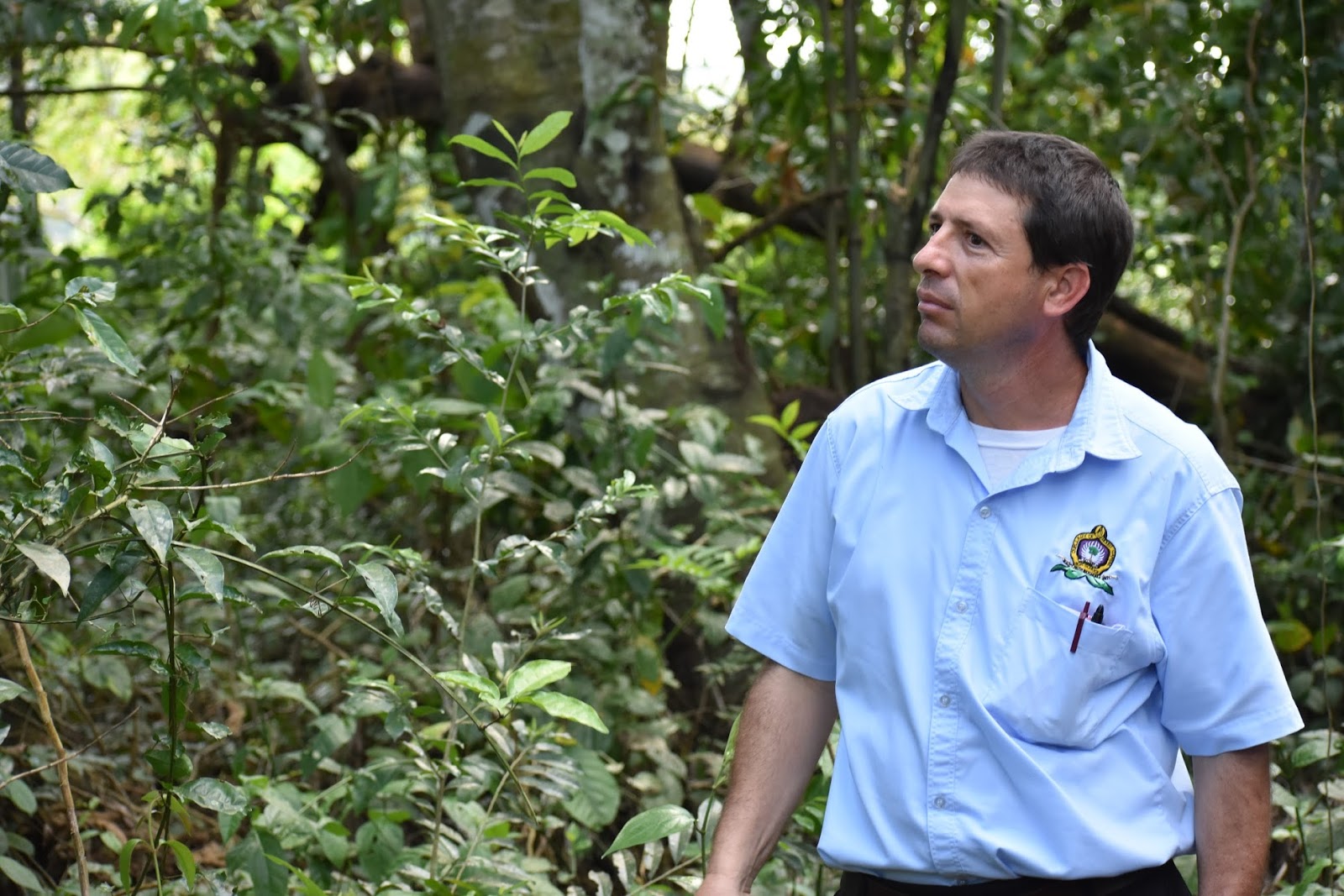
Lex is a freshman majoring in BioRenewable Systems/Biological Engineering at Penn State.

Sunday, March 11, 2018

Day 9: My Personal Takeaways (Lex)


The past nine days in Belize have been some of the best of my life. It was educational, enlightening, and most importantly enjoyable. Being able to go beyond the classroom and learn through experience is beyond compare. I love to travel and I feel it is the best way to learn about the world around us. This trip has done nothing but reaffirm that.

I feel my biggest takeaways from this trip, other than the 1,000 bug-bites, would be my ability to interact with the locals. There are three specific moments that I look back on when thinking about how I grew. The first would be our visit to Mopan Tech. We had gone over our presentation the day before and I was really nervous. I hate public speaking and giving presentations. We started our day at the school with a tour before we gave our presentation. The Penn State students were thoughtful and asked questions throughout the tour, but when we were left alone to interact with the students I think we were a little shy or slow to reach out. Not speaking for everybody of course, but I felt this was especially prevalent for me. I didn't know if these kids were going to want to talk to me. It felt awkward for me to walk into their classroom and disturb them from doing their work. When we shifted gears to our presentation nothing felt different. I still didn't think these high schoolers were going to take me seriously seeing that I was the same age they were. I think our group was trying to engage with them but there were some awkward moments when it wasn't working. However, there were some very bright students there that made our jobs easier and participated enthusiastically. I enjoyed visiting Mopan Tech and seeing the things they were doing, but to be honest I was glad that the presentation was over. 

The next experience I look back on was our trip to the San Ignacio Market Wednesday morning. I will try to keep this part brief since this is what I wrote about in my previous blog post, but it is still an important piece in my personal development on this trip. We started in the market as one big group of 8 Penn State students. We all went to the same stand awkwardly asked some of the prices of the foods being sold. Then we split up more into our three groups and Britton, Erin, and I met Daniella. I began to ask her questions on the produce she was selling just like the first vendor. Then I asked her about the local Mayan cuisine. She seemed to light up and began to realize we weren't just tourists but curious students who wanted to learn. She was so happy to share a part of her culture with us. I began to feel much more comfortable and it became a more flowing conversation instead of me just asking about prices. This is the point in the trip I look back on to when I began to switch how I interacted with the locals. Instead of being shy and observing from a distance I wanted to show them that I was curious about their lives. After that, they were more than happy to talk to me.

The third experience I look back to for my development, and also the development of the group, would be the second presentation at the Tumul K'In Center for Learning. I feel that our presentation at the second school was much much better. We were more confident in ourselves and our ability to interact with the students. I felt that I took control with my group to try to get them to participate and enjoy the activity. Once again there were several bright students that made my job easier, but I still feel that overall we did a better job the second time around. In the short moments when our group would be waiting for the others to finish we were able to talk with them and ask questions about their lives and their school. They were so genuinely interested in what we had to say and were able to recognize our curiosity which made them want to share more. Even after the presentation was over, all the Penn State students stayed behind and talked with the students some more. 

With Tumul K'In being a much smaller school (24 students) compared to Mopan Tech (over 500) it was a lot easier to engage with their students on a more personal level. I also really enjoyed our second presentation with the students at Tumul K'In, whereas I was glad to get it over with at Mopan Tech. I was so happy to have a second chance to interact with the Belizean students and learn more about their ambitions. The question "What do you want to do with your life" always scares me and I never know how to respond. Whereas these kids knew exactly what they wanted to do and were eager to share it with us. I am so grateful for this opportunity to come to Belize and interact with such incredible people. Places can be great, but it the people there that make it special. And it's our job as international students to be able to take that extra step to reach out and engage with the people. After all, the best way to learn is by experiencing it first hand. 


Lex is a freshman majoring in BioRenewable Systems/Biological Engineering at Penn State.

Wednesday, March 7, 2018

Day 5: San Ignacio Market (Lex)

Today marks the midway point of our AEE 499: Indigenious Knowledge in Agriculture and Extension Education trip to Belize. We started off the day with a challenge task from our C.E.L.A. Belize guide Lauren to exploring the San Ignacio Market. The eight students split into three groups.

Group 3, made up of Britton, Erin, and myself, set out to create a nutritiously balanced meal from the ingredients in the market. We were given a $10 Belizean Dollar budget (the conversion rate to US dollars is 2 to 1). Our group originally planned to create a hypothetical meal and determine the prices for the ingredients. For example, I wanted to know the price difference for beans versus eggs in order to decide what our protein would be. Of course, these prices depend on the variety of beans and the eggs.

After trying to plan an American inspired meal without much success, I decided to ask one of the vendors what might be a local Mayan dish that would meet our nutritional needs. A conversation began between the vendor (Daniella), the students (Britton, Erin, and myself), and a lovely customer willing to share. She explained to us the recipe for Caldo which is a local soup that includes chicken, onions, cilantro, lime, jalapeƱos, and corn flour for homemade tortillas. With every ingredient listed, there was more and more knowledge that came with it.

In Belize, they have “Local” chicken and “Normal” chicken. Local chicken are raised traditionally, allowed to roam free. Whereas normal chicken are raised by Mennonites with more modern techniques like in the United States. The quality between these two are very distinct. The price for local chicken eggs in the market is $12 per tray, whereas normal eggs are $7 per tray (all Belizean currency). Our group began talking with a local customer and she explained to us that even though the local eggs are higher quality, she still buys the normal eggs because they are cheaper. However, on special occasions such as Christmas, she will pay the extra price to cook for the extended family.

Being able to have this type of interaction with the locals gave me access to information that I would never have thought to ask for. As an example of informal education, I was able to extract some indigenous knowledge from the brains of the locals that I might not have been able to learn in the classroom or on a farm tour. It was truly an enlightening experience.

Lex is a freshman majoring in BioRenewable Systems/Biological Engineering

Wednesday, February 21, 2018

Preparing for Adventure: Lex Trevelino


Believing that previous travel experience is enough to prepare me for our trip to Belize this spring break is a mistake. There is so much more preparation necessary for a trip like this. While previous travel helps with adjusting to a new environment and stepping out of your comfort zone, it does not prepare you for everything. Specific research, such as the DIY presentations and various speakers, have been able to teach me a lot about the country of Belize.

Guest speaker Dr. David Webster, an archaeologist, gave us great background information on the Maya. He explained the history associated with them along with some of the characteristics of their ancient society. For example, I learned how important the maize crop is to the Maya. Over centuries it became the keystone of their society. Dr. Webster explained to us how when Mayan kings died they were thought to pass on to the next world as the Maize God, their most powerful deity. It is important to know some background information so that you can know what to expect when you travel.

Reading the book Understanding Belize: A Historical Guide has been able to give me a complete overview of Belize and its history. Being able to understand a country’s history can go a long way towards understanding the culture of the area. Like how English is the official language of Belize because it was a British colony before gaining its independence.

I also think that the DIY projects were a great way to help the entire class learn more. Each person’s presentation is able to give a detailed look at a specific issue. I have learned so much from my classmates about indigenous wildlife, the education system, water and irrigation in Belize. I did my research project on climate change and how it impacts Belize. Specifically, I looked at the impacts it will have on Belize’s biggest economic contributors: agriculture, fisheries, and tourism. Developing nations near the equator suffer the worst from climate change because their economies are so dependent on natural resources. Warmer temperatures hurt crop production and cause shorter growing seasons. Warmer sea surface temperatures are destroying coral reefs, and Belize has one of the largest reefs in the world that it depends on for its fishing industry. Rising sea levels are causing erosion and property damage which deters tourists.

Understanding the culture is one thing, but then interacting with it can be a whole new animal. During one class, we split everyone into to different groups: the alphas and the betas. These two groups were given different parameters to create their own culture. Then we had to exchange ambassadors between groups and try to interact with each other. It was very difficult, and a little awkward, but it taught us a lot. We learned that we can’t treat everyone through our cultural lens. That we need to realize that we are guests in a foreign land and that it is our job to adapt, not the locals. As far as preparation goes, the most important thing we can do is show up with respect and a genuine curiosity to learn.

Monday, January 22, 2018

Introduction: Lex Trevelino - "The Path to Exploration"

Hello. My name is Lex Trevelino, and I am a freshman in the College of Agricultural  Sciences at Penn State University. My declared major is BioRenewable Systems, but I am keeping my options open to pursue Biological Engineering. I was born in Atlanta, Georgia and have lived in the South my entire life. I chose Penn State because of the nationally ranked agriculture and engineering programs. While I am not 100 percent sure what it is I want to do after college, I know that it likely will involve food and agriculture.

I have always had a particular interest in food. When I was in fourth grade, my family and I became vegetarians, largely in response to Penn State grad, Colin Campbell’s book, The China Study. After that transition, I began to pay more attention to my food. Where it comes from, how it’s prepared and what’s the nutritional value? Asking questions like these inspired me to join a culinary and garden club in elementary school. In this club, I established a baseline for food knowledge and curiosity. I was able to learn under two restaurant owners and a master gardener. Not only was I able to learn how to cook, but also how to grow the very ingredients we used.

A few years later I began to volunteer on an urban, organic farm. This is where I became interested in agriculture. While it was tough work plowing and weeding in the relentless Georgia heat, it was rewarding. I really enjoyed helping and contributing to the community. I was just as fascinated by being able to grow my food from a small seed as I was by the experimentation in the kitchen. Volunteering on this farm just fueled my inspiration to learn more.

In my junior year of high school, I was accepted into a program called the Isdell Center for Global Leadership. Each year four students are chosen to travel and study a Global Theme. My timing was perfect; the theme was food. We took three trips during the school year. First, we traveled to California’s Salinas Valley to learn about large-scale, industrial agriculture. We specifically looked at the history of the valley, the migrant-laborers, the supply chain, and the water crisis.

Our second trip was to Virginia and Maine. There we drew comparisons of small-scale, local farming to industrial giants on the other side of the country. One of the program’s highlights was the opportunity to meet and interact with Joel Salatin at Polyface farms. He showed us some of his pioneering, agricultural techniques.

However, our final trip was by the far the most impressive. We partnered with Care to go to Ghana and Malawi to learn about agriculture and gender equality. We were able to travel to remote villages and interact with the locals. They were so happy to interact with us and teach us some of their new practices. It was a once in a lifetime experience.

However, I didn’t want to stop there. This program acted as a catalyst for my desire to travel. Throughout my life, my family has believed that travel, especially off the grid, affords me opportunities to see and interact with other cultures. Traveling to Europe, Central America, South America, and Africa has given me a much broader perspective on the world. Travel has become like an addiction for me now. I am always searching for new places to go. This is what inspired me to apply for the Belize program. At this time, I am exploring sophomore spring abroad, but as a freshman, the embedded programs offer an amazing opportunity to get familiar with study abroad. With Belize, I feel like I’m going to experience the agriculture backdrop, more than just attending a few lectures in a Central America location. This trip is giving me the opportunity to combine my passion for food and my love for travel. I can not wait to get started.